ADVANCED DRIVER-ASSISTANCE SYSTEMS (ADAS) CALIBRATION
Phoenix Collision provides both windshield replacement and calibration services to keep you and your family safe and secure. Our calibration technicians are trained and certified on all makes and models.
Vehicles are currently making the switch from autonomous driving to Advanced Driver Assistance Systems (ADAS) which ensure increased vehicle safety and better driving. ADAS systems can alert drivers to potential problems on the roads and can even take control of the vehicle when necessary – applying the emergency brakes for example.
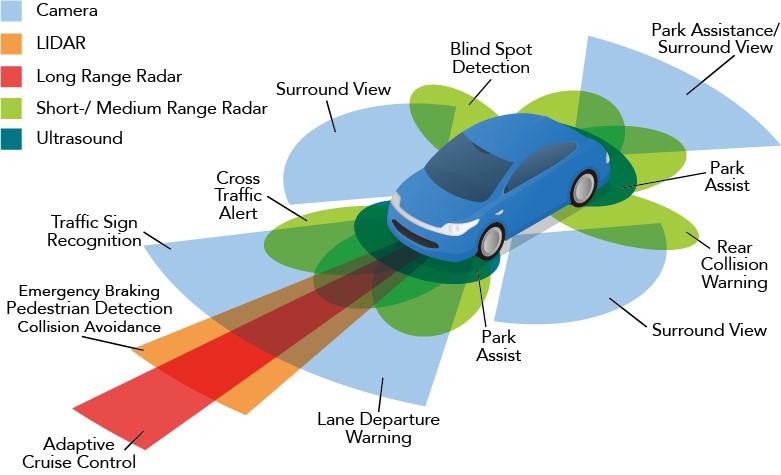
Most new vehicles are equipment with ADAS technologies like:
 Adaptive cruise control (ACC)
 Driver drowsiness detection
 Adaptive head lights
 Forward Collision Alert (FCA)
 Adaptive light control
 Lane Keep Assist (LKA)
Automatic braking system (ABS)
 Lane Departure Warning System (LDWS)
 Automatic parking
 Pedestrian Detection (PD)
 Blind Spot Monitoring (BSM)
 Proximity monitors
 Collision Mitigation Braking System (CMBS)
 Traffic Sign Recognition (TSR)
Frequently Asked Questions
After a windscreen replacement
If the dashboard shows a fault code
If the camera has been disconnected
Change of suspension
Change of wheel alignment